Contents
Introduction: The Allure of Satyr Cosplay
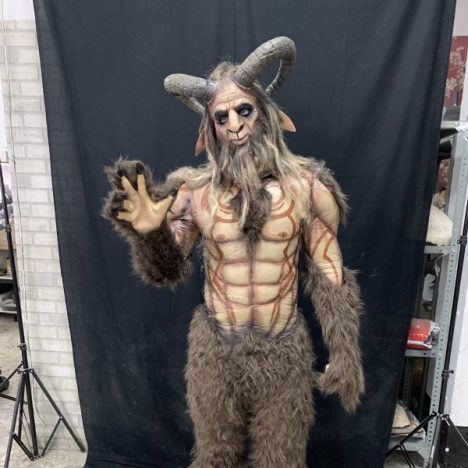
In the realm of cosplay, few figures intrigue as much as the satyr, a creature steeped in myth and artistry. A satyr is often depicted as a half-human, half-goat figure, representing nature, merriment, and chaos—key themes found in various cultural narratives. For those considering satyr cosplay, understanding the historical context and artistic representations can elevate your portrayal. This article delves into the attractive aspects of satyrs, insights drawn from art history, and tips for creating stunning satyr costumes. Whether you aim to embody the playful spirit of a satyr at a convention or simply want to learn more about these fascinating beings, this guide will enhance your cosplay journey.
Understanding Satyr Mythology and Symbolism
1. Origins of the Satyr
Satyrs originate from ancient Greek mythology. They are often depicted as companions of Dionysus, the god of wine and fertility. As nature spirits, satyrs symbolize the untamed aspects of nature and human instinct.
- Visual Depictions: Artists have portrayed satyrs throughout history in various forms. From sculptures in ancient Greece to Renaissance paintings, each depiction brings its unique interpretation of the satyr’s character.
- Satyr Symbolism: Historically, satyrs represent both the frivolous and the serious aspects of desire, reflecting the balance between enjoyment and the consequences of indulgence. This duality resonates well within modern narratives and captivates audiences today.
2. Character Traits of Satyrs
In literature and art, satyrs are often characterized by their playful, mischievous nature. Their attributes typically include:
- Playfulness: Satyrs are known for being light-hearted and carefree, often engaging in revelry and dancing. This characteristic lends itself well to creative expression in cosplay.
- Connection to Nature: Satyrs embody strong ties to the wilderness. They are often represented in forest settings, surrounded by flora and fauna, emphasizing their role as guardians of the natural world.
Historical Depictions of Satyrs in Art
1. Ancient Art Representations
The depiction of satyrs in ancient Greek art is rich and varied. Pottery, sculptures, and paintings often illustrate their unique physical features and whimsical behavior.
Vase Paintings
- Representation of Satyrs: Ancient Greek vase paintings often showcase satyrs in dynamic scenes, illustrating their role in festivities and interactions with other mythological beings.
- Festive Celebrations: Many vases depict satyrs participating in revelries associated with the god Dionysus, such as drinking wine, dancing, and playing music. This highlights their association with the joy and excess of celebrations.
- Interactions with Nymphs: Satyrs are frequently shown pursuing or accompanying nymphs, emphasizing themes of nature and fertility. These interactions symbolize the connection between satyrs and the natural world.
- Cultural Insights: The imagery on these vases provides valuable insights into the cultural values of ancient Greek society.
- Human Connection to Nature: The depictions reflect a reverence for nature, with satyrs representing the untamed, free-spirited aspects of the natural world. This signifies how the Greeks viewed the balance between civilization and the wild.
- Celebration of Life: The vibrant scenes of mirth and revelry on vase paintings illustrate the importance of celebration in Greek culture. They capture the spirit of joy, community, and appreciation for life’s pleasures.
Statues and Reliefs
- Physical Characteristics of Satyrs: Statues from ancient Greece often depict satyrs with distinct physical traits that define their appearance.
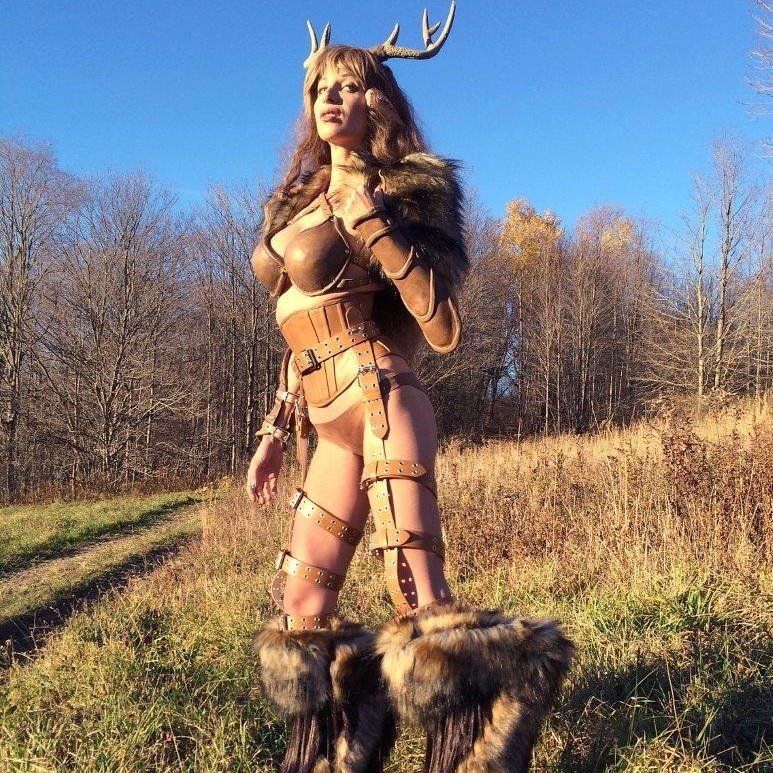
- Pointed Ears and Goat Legs: Satyrs are characterized by pointed ears and legs resembling those of goats. These features blend human and animal characteristics, emphasizing their connection to nature and the wild.
- Playful Expressions: Many statues capture the playful and whimsical spirit of satyrs through their facial expressions, conveying joy and mischief. These playful aspects resonate with their roles as entertainers and companions of Dionysus.
- Importance for Costume Creation: Understanding the details of satyr statues is crucial for those interested in creating authentic satyr costumes.
- Design Inspiration: The features depicted in these statues serve as essential design elements for cosplayers. By emulating the distinct physical characteristics, cosplayers can create an accurate and visually appealing representation of a satyr.
- Historical Accuracy: Incorporating these elements into costume design not only enhances authenticity but also pays homage to the rich cultural and artistic history surrounding satyrs in ancient Greece.
- Crafting Techniques: Consider using materials and techniques that allow for the replication of the satyr’s defining features, such as sculpting pointed ears or fabricating horns to achieve a striking resemblance to ancient depictions.
2. Renaissance Interpretations
During the Renaissance, satyrs continued to capture artists’ imaginations. Artists such as Peter Paul Rubens emphasized their connection to sensuality and nature through their detailed artworks.
- Artistic Styles: The Renaissance brought a shift toward more humanistic portrayals of satyrs, often blending myth with reality. This transition allows modern cosplayers to explore various aspects of the satyr character.
- Influences on Modern Cosplay: Understanding these artistic influences can help cosplayers draw inspiration from traditional representations. Incorporating historical accuracy into modern satyr designs connects contemporary creations with their mythological roots.
Satyr Costume Ideas for Cosplay
Creating a satyr costume opens up various creative possibilities, enabling you to express the character’s nature and personality effectively.
1. Essential Costume Elements
- Basic Apparel: Begin with a comfortable base layer. Consider using light fabrics to mimic a rustic or earthy appearance. Tunics or layered looks can create depth in your design.
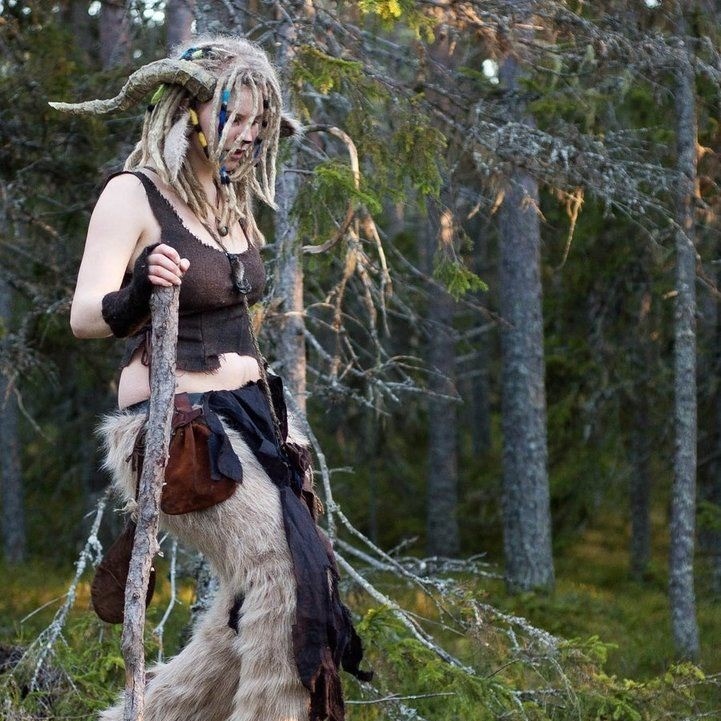
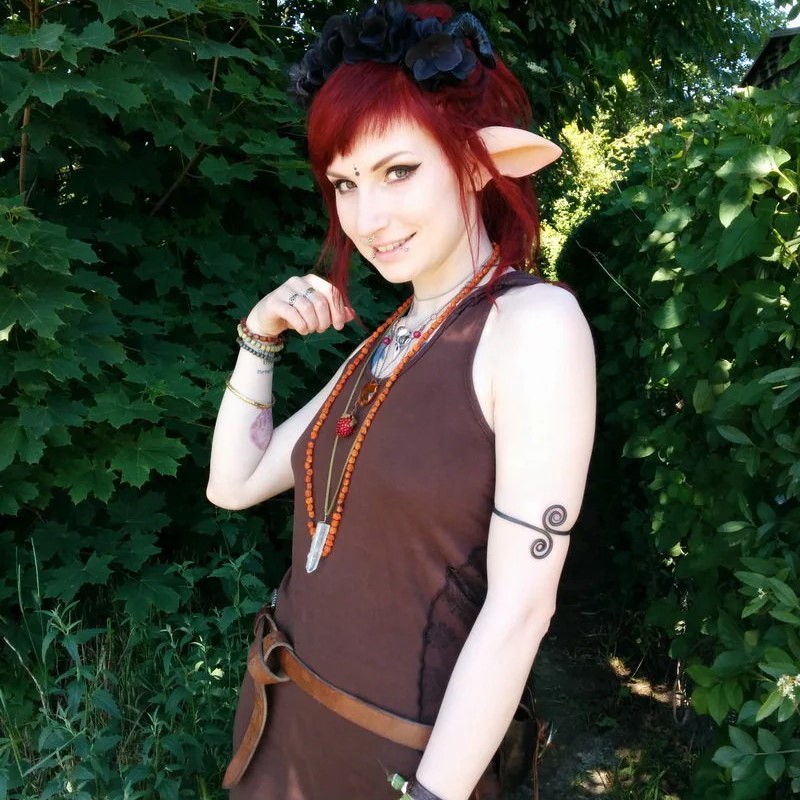
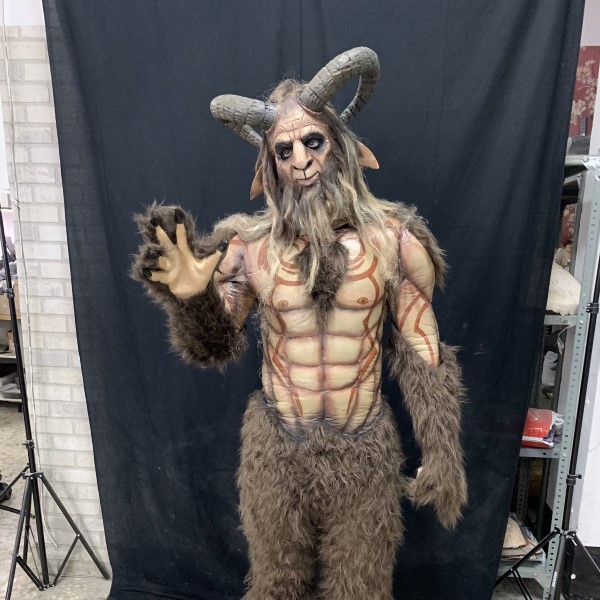
- Characteristic Features: Ensure to include elements such as furry leg warmers that mimic goat legs, pointy ears, and horns, which are iconic attributes of satyrs.
2. Makeup and Face Accessories
- Face Makeup: Transform your face with earth-toned makeup. Consider shades of green, brown, or gold to represent connections with nature. Utilize face paint to create a more whimsical look, emphasizing animalistic features.
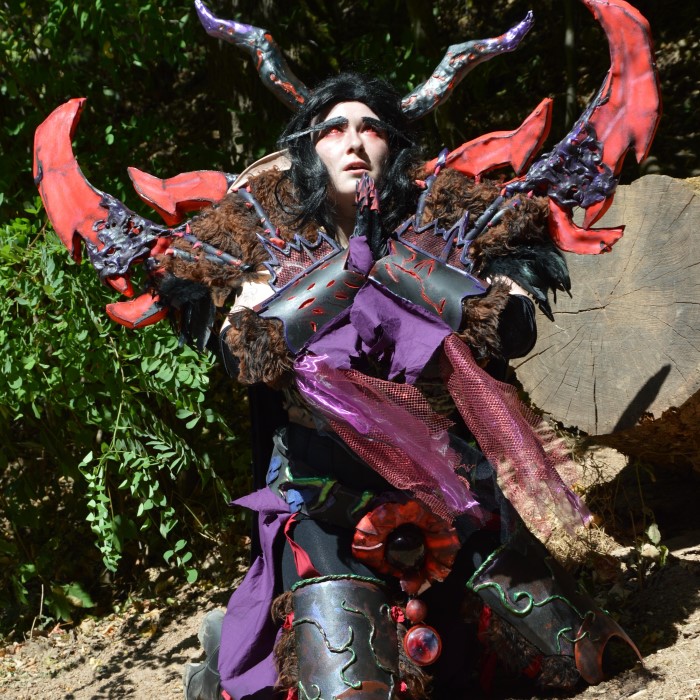
- Ears and Horns: Incorporate prosthetics like pointy ears and horns. You can create these with flexible materials or purchase them from costume shops to enhance realism.
3. Props and Accessories
Natural Elements
- Symbolic Props: When cosplaying as a satyr, incorporating props that reflect the character’s connection to nature enhances the authenticity of your portrayal.
- Wooden Staffs: A wooden staff can serve as a signature accessory for a satyr. It not only symbolizes strength but also represents the satyr’s role as a protector of nature.
- Design Ideas: Consider crafting the staff from natural materials or using faux wood to create a rugged look. You can add embellishments, such as carved symbols or painted designs, to enhance its visual appeal.
- Musical Instruments: Instruments like flutes or panpipes are closely associated with satyrs and their whimsical nature. These instruments evoke the joyous and spirited ambiance of ancient festivities.
- Creating Props: You can purchase or make these instruments using lightweight materials. Painting them in earthy tones can help them blend seamlessly with your overall costume palette.
- Wooden Staffs: A wooden staff can serve as a signature accessory for a satyr. It not only symbolizes strength but also represents the satyr’s role as a protector of nature.
- Functional Aspect: Carrying these props while cosplaying adds to the interactive experience. They not only enhance your character portrayal but can also serve as conversation starters at events or conventions.
Environment
- Backdrop Consideration: To fully encapsulate the essence of a satyr, consider the environment in which you present your cosplay. A well-thought-out backdrop can amplify the character’s connection to nature.
- Natural Settings: If possible, choose locations for photoshoots or appearances that are surrounded by greenery, such as parks, forests, or botanical gardens. This reinforces the satyr’s affinity with the wilderness.
- Creating a Portable Backdrop: If the event setting does not provide an ideal natural environment, consider creating a portable backdrop. Use fabric, cardboard, or lightweight materials to construct a nature-themed display.
- Floral and Botanical Accessories: Incorporating leaves, vines, or flowers into your costume’s design or as part of your accessories enhances the overall aesthetic and reinforces the satyr’s connection to nature.
- Decorative Touches: Adorn your costume with floral crowns made of artificial flowers or attach leaves and vines to your clothing. This adds texture and a vibrant touch to your ensemble.
- Worn Natural Elements: Consider using flowers or greenery in your hair or as wrist or ankle cuffs. These elements highlight your character’s playful interaction with nature.
- Immersive Experience: The overall combination of these props and environmental considerations creates an immersive experience not just for yourself but also for those who view your cosplay.
- Engagement with Audience: When the backdrop and your cosplay elements work harmoniously, you invite those around you to engage with the character and the theme. This enhances the storytelling aspect of your presentation.
Engaging with the Satyr Cosplay Community
Participating in a community of satyr cosplayers can enrich your experience. Engaging with those who share your passion can inspire collaboration, creativity, and improvement.
1. Online Presence
- Social Media Groups: Join platforms like Instagram, Facebook, or Reddit, where dedicated groups focus on fantasy cosplay or mythological figures. Sharing your ideas and designs can help foster connections.
- Creative Collaboration: Engage with fellow cosplayers to learn from each other. Collaborating on projects can enhance skills and expand your creative approach.
2. Participating in Conventions
- Showcase Your Work: Attend conventions where you can present your satyr costume on stage or in competitions. This is an opportunity to gain recognition and feedback from others.
- Networking Opportunities: Connect with a broader community of artists, enthusiasts, and creators who share your interests. Networking can lead to future collaboration and friendship.
FAQs About Satyrs
- What does it mean when someone calls you a satyr?
- Referring to someone as a satyr typically implies they exhibit playful, mischievous behavior or a strong connection to nature. It can also suggest an affinity for hedonistic pleasures associated with satyr mythology.
- What is a female satyr called?
- Female satyrs are often referred to as “nymphs” or simply considered satyrs themselves. In some artistic representations, they are depicted as companions to satyrs in various myths.
- What is a satyr in Greek Theatre?
- In Greek theatre, satyrs were often represented in comedic plays and participated in satyr plays—short, humorous performances featuring satirical themes related to traditional Greek tragedies, highlighting the contrast between serious and comedic elements.
Conclusion: Embracing Satyr Cosplay
Satyr cosplay allows fans to explore a rich tapestry of myth, art, and creativity. By understanding the mythology and historical representations of satyrs, you can craft an engaging and authentic cosplay experience. Embrace the opportunity to embody the essence of these delightful creatures while creating a unique interpretation that reflects your personal flair.
As you embark on your satyr cosplay journey, always seek inspiration from various sources, whether through mythology, art history, or community engagement. The vivid world of satyrs offers endless possibilities, encouraging you to express yourself and connect with others in the cosplay community. Enjoy this exciting journey, and let your creativity blossom in the realm of satyrs!
In conclusion, understanding satyr mythology and symbolism, along with costume ideas and community engagement, can significantly enhance your cosplay experience and create lasting connections within the fascinating world of cosplay.