Contents
Introduction to Fat Quarters
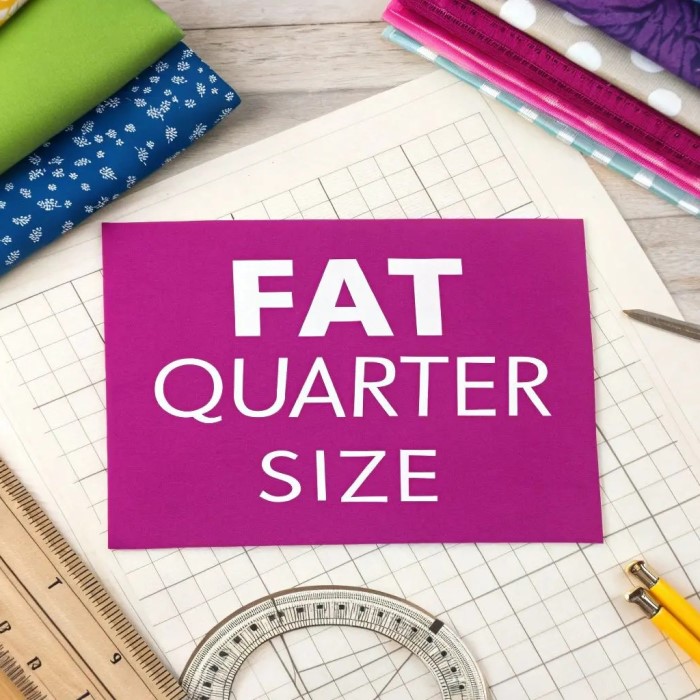
In quilting and sewing, understanding the size of a fat quarter is an essential skill for any fabric enthusiast. A fat quarter is a specific fabric cut that measures approximately 18 inches by 22 inches when unfolded. This distinctive cut contrasts with the traditional quarter yard of fabric, which typically measures 9 inches by 44 inches. The fat quarter is a flexible option for crafters, providing a wide piece of material that is perfect for a variety of projects. This article will delve deep into the fat quarter size in inches, its many applications, and why it is particularly favored by quilters. We’ll also cover how to use fat quarters effectively in your sewing endeavors.
What is a Fat Quarter?
Definition and Dimensions
A fat quarter is defined as one-quarter of a yard of fabric that has been cut into a rectangle measuring 18 inches by 22 inches. This cut represents the area equivalent to a quarter yard but is arranged to offer a broader swath of fabric. The fat quarter measures 396 square inches in total area, which provides ample space for creating quilt blocks, bags, and various other sewing projects.
Comparison to Other Fabric Cuts
To comprehend the advantages of using fat quarters, it is helpful to compare them with other common fabric cuts. A traditional quarter yard measures 9 inches by 44 inches, resulting in a more narrow, longer strip of fabric. While this cut accumulates more yardage in length, the usability for quilting and patchwork becomes limited compared to that of a fat quarter. When working on projects, a wider piece of fabric translates into more creative options for cutting shapes and designs. Thus, many crafters prefer fat quarters for their versatility.
Regional Differences
It’s crucial to note that while the guidelines above describe the measurements generally applied in the United States, fat quarter sizes might slightly vary in other countries. For instance, UK fabric shops may offer fat quarters with similar but not identical dimensions. This variability is important for quilters who purchase fabric internationally or collaborate with crafters from different regions.
Why Choose Fat Quarters?
Versatility in Projects
One of the main reasons that quilters and crafters are attracted to fat quarters is their versatility. They are ideal for a wide range of projects, from small quilts to table runners and home decor items. The size makes them a practical choice for pocket-sized projects, ensuring you have just enough fabric without overwhelming amounts that go unused.
Suitable for Smaller Cuts
Fat quarters work exceptionally well for patterns that require small cut pieces. Their wider dimensions allow crafters to create blocks of any shape without the need for waste. For example, if you want to cut blocks measuring 4 inches or 6 inches, a fat quarter provides a sufficient amount of fabric to accommodate these requirements.
Opportunity for Variety
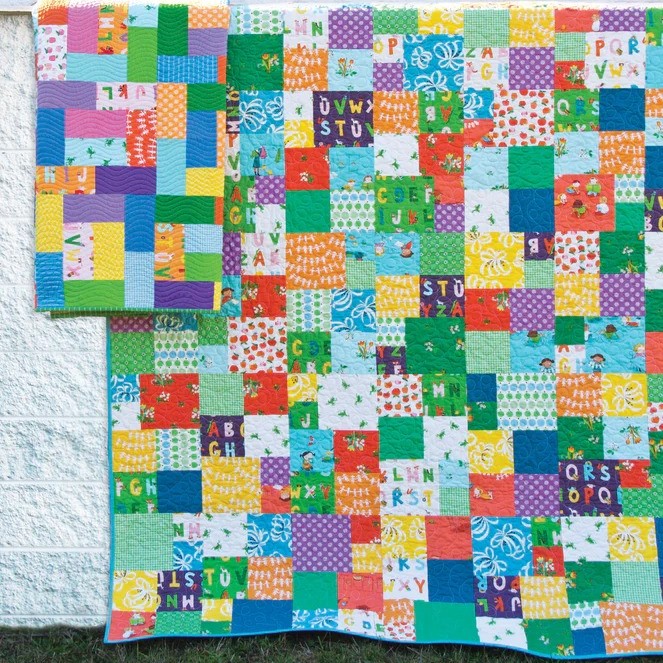
Fat quarters also offer an opportunity to explore a variety of colors and patterns without requiring larger cuts. You can assemble a colorful collection of fat quarters filled with different designs, such as florals, checks, or abstract patterns. This laid-back method is perfect for scrappy quilts, making it ideal for individuals who love to mix and match different fabrics to achieve unique visual aesthetics.
How to Use a Fat Quarter Effectively
Cutting Techniques
Using a fat quarter effectively involves understanding how to cut a fat quarter size properly, which ensures maximum yield from each piece of fabric. Below are some helpful tips for cutting and using fat quarters:
- Inspect the Fabric: Before you even begin cutting, check for any flaws, wrinkles, or imperfections in the fabric. Ensure the fabric is clean and pressed before starting your project.
- Plan Your Cuts: Think through your design and plan out your cuts in advance. This minimizes random snippings that may waste fabric. It’s best to visualize or sketch your pattern for clarity.
- Use Sharp Tools: A rotary cutter or sharp fabric scissors ensures precision when cutting. Blunt tools can pull on the fabric, causing uneven edges or tearing.
- Measure Twice, Cut Once: Double-check your measurements before cutting any fabric. Errors can lead to wasted fabric and can compromise your project.
Practical Applications for Fat Quarters
Fat quarters can be used in countless sewing projects. Here are some popular ways to utilize them:
Quilting Squares and Blocks
- Versatile Shapes: Fat quarters are versatile and can be cut into various shapes, including squares, triangles, and rectangles. This adaptability makes them suitable for a wide range of quilt block designs.
- Easy Piecing: The size and dimensions of fat quarters simplify the piecing process. Crafters can easily sew together multiple shapes to create intricate and beautiful designs without the worry of insufficient fabric.
- Creative Patterns: Using fat quarters allows for the exploration of innovative patterns and color combinations. By choosing different fabrics, quilters can create visually striking quilts that reflect their personal style and creative vision.
- Efficient Use of Fabric: Fat quarters provide enough fabric for most blocks without excessive leftover material. This efficient use helps avoid waste and makes for a more sustainable quilting practice.
Accessories and Bags
- Charming Designs: Crafting accessories such as bags and pouches from fat quarters results in charming and eye-catching items. The vibrant colors and patterns of the fabric can enhance everyday items, making them more enjoyable to use.
- Less Material Requirement: Many small accessory projects can be accomplished with just one fat quarter. This makes it easy to create items like phone pouches, makeup bags, and small tote bags without needing larger cuts of fabric.
- Personalization: Fat quarters allow for creativity in creating unique designs tailored to personal preferences. You can combine contrasting patterns or select a color scheme that perfectly matches your style.
- Quick Projects: Because of their manageable size, projects can be completed quickly, which is ideal for those looking for a satisfying crafting session without a significant time investment.
Home Decor Items
- Aesthetic Appeal: Fat quarters can be beautifully transformed into home decor items. Whether creating pillow covers, table runners, or wall hangings, these pieces can significantly enhance the aesthetic of a room.
- Customization Opportunities: Using fat quarters enables you to customize home decor according to seasonal themes or personal tastes. You can easily swap out covers or runners to refresh your living space whenever you desire.
- Unique Touch: Incorporating fat quarters into home decor gives each piece a unique personal touch. This customization reflects your personality and showcases your crafting skills, making your home feel more inviting.
- Functional Designs: Not only do these items contribute to visual appeal, but they also serve functional purposes. Items like decorative pillows can enhance comfort while adding a pop of color to your space.
Scrappy Quilts
- Creative Diversity: For those who embrace variety, using fat quarters is a fantastic way to create scrappy quilts. The combination of different patterns and colors from multiple fat quarters adds richness and depth to the quilt.
- Mix of Styles: Scrappy quilts allow you to experiment with various fabric styles, such as florals, geometrics, or solids, resulting in a unique and eclectic quilt that tells a story.
- Personal Narratives: Each fabric in a scrappy quilt can represent different experiences or memories, making the quilt not only a functional item but also a significant piece of personal history or storytelling.
- Easy to Assemble: The size of fat quarters makes them easy to incorporate into various quilt designs. Quick assembly enables crafters to enjoy the process without lengthy cutting times, making it a fun and creative project.
FAQs About Fat Quarters
What is the average size of a fat quarter?
The average size of a fat quarter is approximately 18 inches by 22 inches. This unique cut allows for effective use in various projects while maximizing fabric area.
Is a fat quarter the same as 1/4 yard?
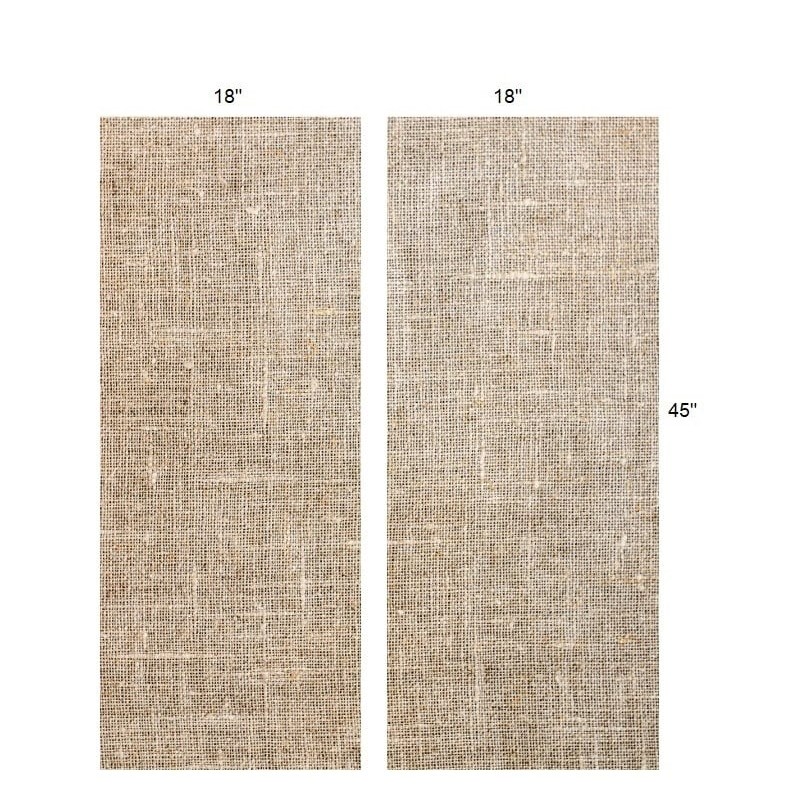
No, a fat quarter is not the same as a traditional 1/4 yard. A quarter yard cut measures 9 inches by 44 inches, while a fat quarter measures 18 inches by 22 inches, giving a different shape and usability.
What size is a fat quarter in the UK?
In the UK, a fat quarter typically measures about 18 inches by 22 inches, similar to measurements in the United States, though it’s advisable to check with local retailers for variations.
How large is a fat quarter in centimeters?
In metric terms, a fat quarter is approximately 45.7 cm by 55.9 cm. These dimensions allow for easy reference when cutting or purchasing fabric internationally.
Conclusion
Understanding the size of a fat quarter is essential for anyone involved in quilting or fabric arts. Providing a perfect blend of size, versatility, and creative opportunity for crafters, fat quarters serve as invaluable tools. Whether you’re exploring projects for fun or planning intricate quilt designs, fat quarters can become an essential part of your fabric stash. Recognizing concepts like fat quarter size in inches and applying effective cutting techniques ensures you can maximize the potential of this unique fabric cut. So, gather your fat quarters, unleash your creativity, and embark on your next sewing adventure today!