Contents
Introduction
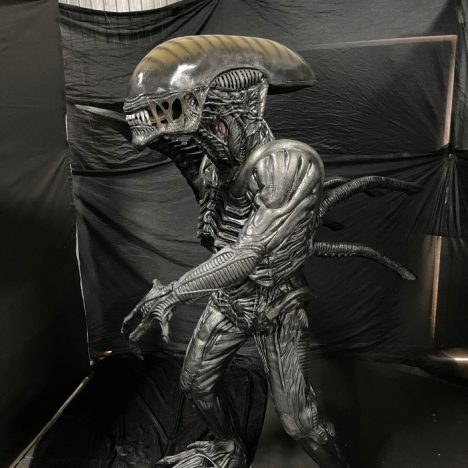
Xenomorph cosplay has captured the imaginations of fans around the world, bringing to life one of the most iconic creatures from the sci-fi horror genre. Originally born in Ridley Scott’s groundbreaking film “Alien,” the Xenomorph alien has become a staple in pop culture, captivating audiences with its menacing presence and unique design. Whether at conventions, costume parties, or Halloween events, Xenomorph cosplay provides an exciting opportunity to transform into this terrifying creature.
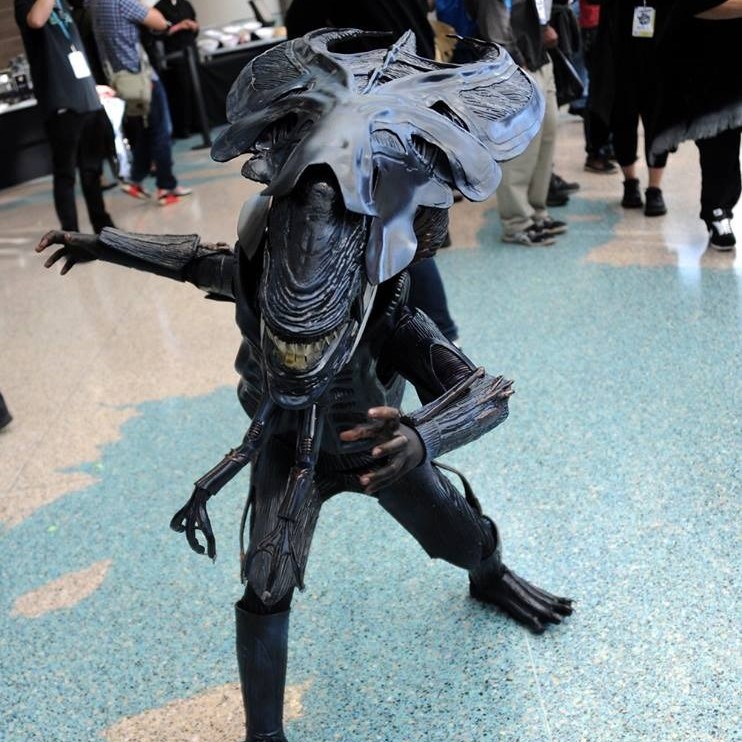
Creating an accurate Xenomorph costume involves attention to detail, understanding its various forms, and employing effective techniques for a memorable appearance. This article delves into the best way to achieve a stunning Xenomorph cosplay, exploring tools, tips, and designs essential for bringing this iconic character to life.
Understanding the Xenomorph Design
Anatomy and Features of the Xenomorph
The Xenomorph is known for its distinctive features that make it one of the most recognizable monsters in cinema. Understanding these characteristics is crucial for an accurate cosplay:
- Exoskeleton: The Xenomorph has a sleek, shiny exoskeleton that gives it a menacing appearance. This armor-like exterior is typically black or dark green and helps create the fear factor associated with the creature.
- Head Structure: The elongated head of the Xenomorph is one of its most defining traits. Its lack of eyes adds to its alien quality, and the unique skull shape is crucial for an authentic look.
- Tail Length: The Xenomorph’s long, flexible tail serves multiple purposes in the creature’s movement and combat. It contributes significantly to the overall silhouette and should be a feature of your cosplay.
- Limbs: The Xenomorph has long, thin limbs ending in sharp claws. The fingers are often depicted with more than the usual number of digits, which adds to its eerie appearance and agility.
Variations in Xenomorph Designs
The Xenomorph species has several variations depicted across the “Alien” franchise and its extended universe. Understanding these can help in choosing your cosplay direction:
- Drone: The standard form seen in most films. This variant has the iconic black exoskeleton and elongated head, making it a popular choice for cosplayers.
- Queen: This larger, more imposing variant features distinct physical differences. The elongated head and large frame require more effort to depict accurately, making it a challenging but rewarding option.
- Warrior: Known for its aggression, this variant combines aspects of the drone and queen for a fierce look. Notable for the spines protruding from its back, it requires more intricate costume design.
- Hybrid Forms: Various media have introduced hybrid Xenomorphs, such as the “PredAlien” from the “Alien vs. Predator” series. These unique designs allow for creative and unconventional cosplays.
Tools and Materials
Essential Tools for Crafting Your Costume
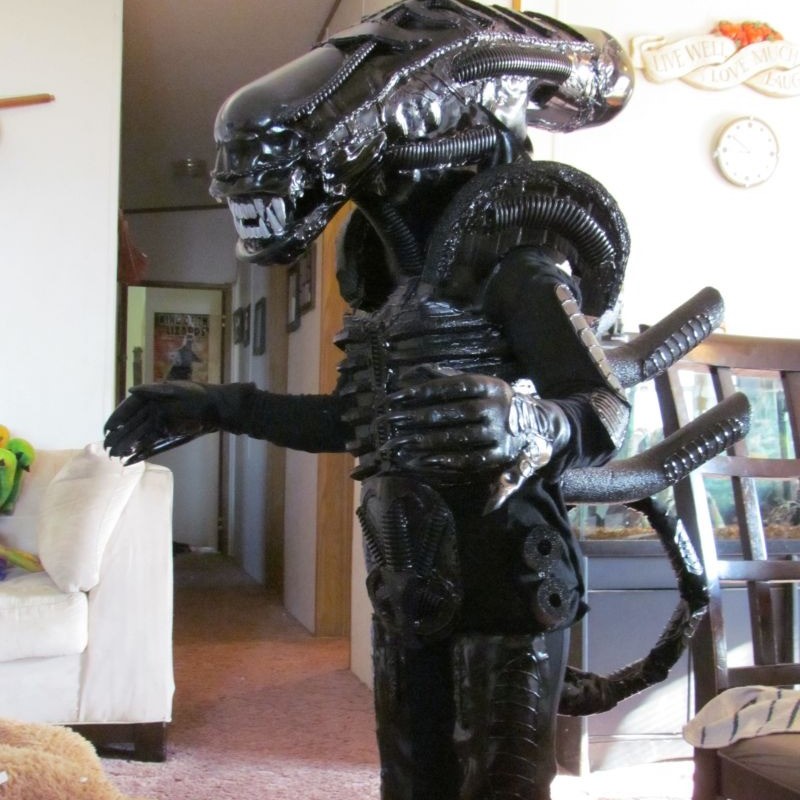
When embarking on your Xenomorph cosplay journey, gather your materials and tools for construction:
- Foam and Latex: Flexible materials like EVA foam or latex can mold easily into the intricate parts of the Xenomorph costume, including armor plates and the headpiece.
- Wig and Facial Pieces: Consider using a bald cap or creating a unique wig to achieve the Xenomorph’s distinct head shape. This can help accurately represent the lack of facial features.
- Paints and Finishes: Use spray paints and special finishes to replicate the shiny exoskeleton effect. Selecting the right colors will enhance the authenticity of your costume.
- Fabric for Clothing: If you want to integrate clothing elements into your cosplay, opt for dark-colored, textured fabrics that mimic the organic appearance of the Xenomorph.
Construction Techniques
Learning the right construction techniques is crucial for making your Xenomorph costume stand out:
Pattern Making
- Design Custom Patterns: Begin by creating custom patterns for each distinct part of your Xenomorph costume. Use reference images from the films to guide your design decisions and ensure accuracy.
- Measure for a Good Fit: Take precise measurements of your body and make adjustments to your patterns accordingly. It’s essential to ensure that each part fits well to facilitate movement and comfort during wear.
- Cut Out the Patterns: Once the patterns are ready, carefully cut them out of your chosen materials. Pay attention to the texture and flexibility of the fabric, aiming for a balance between realism and wearability.
- Assemble the Pieces: Once the patterns are cut, sew or attach the pieces together based on your Xenomorph design. Focus on the construction process to guarantee each section aligns correctly and accommodates movement.
Layering
- Utilize Multiple Materials: Consider using a variety of materials for your costume to develop depth and texture. Combine materials like foam, fabric, and even plastic to replicate the intricate design of a Xenomorph.
- Create Visual Interest: Layering allows for different textures to be visible, which adds visual interest to the costume. For example, use a glossy finish for the outer shell to mimic the shiny appearance of the Xenomorph’s exoskeleton.
- Enhance Mobility: While layering, be mindful of how each piece interacts with movement. Ensure that the layers allow for flexibility, so you can move freely while in character without feeling restricted.
- Experiment with Color and Patterns: Use layers to play with color gradients and patterns, replicating the darker, shadowy hues seen on Xenomorphs. This experimentation can help you achieve a more visually authentic representation.

Finishing Touches
- Focus on Small Details: Pay special attention to small finishing touches that elevate your costume’s realism. Elements like the claws, tail, and smaller features are crucial for an authentic look.
- Craft the Claws: Create the Xenomorph’s claws using materials that allow for both strength and flexibility. Ensure they can withstand wear and are large enough to make a visual impact but still functional.
- Design the Tail: The tail is a vital part of the Xenomorph’s character. Make sure it is properly articulated if possible, allowing it to move or coil realistically to mimic the creature’s dynamic nature.
-
Add Textures and Paint: Use paints and materials to create textures that resemble the Xenomorph’s skin. Consider using weathering techniques to give your costume a battle-worn look or to simulate the creature’s gritty environment.
Tips for an Accurate Xenomorph Cosplay
Research and Inspiration
- Study the Films: Watching “Alien,” “Aliens,” and subsequent entries in the franchise can offer insights into the character’s movement, design, and overall aesthetic.
- Review Community Cosplay: Look at other impressive Xenomorph cosplayers for new ideas and techniques. Platforms like Instagram and cosplay forums can provide valuable inspiration.
Practice Your Movements
- Embodying the Character: Understanding how the Xenomorph moves can enhance your cosplay presentation. Practice movements to embody the character’s menacing style.
- Sounds and Gestures: If possible, learn how to mimic the sounds or iconic movements of the Xenomorph to create a fuller experience for those who see your cosplay.
Attend Cosplay Events
- Participate in Conventions: Engaging with other fans and cosplayers can heighten your experience and provide feedback on your costume. It’s also a great opportunity to showcase your hard work.
- Enter Competitions: Consider entering costume contests. This can validate your efforts and provide recognition for your crafting skills.

Frequently Asked Questions
Are Xenomorphs non-binary?
Xenomorphs do not conform to human gender definitions. While they have structures that may seem female or male, they do not reproduce in ways that align with human norms. Their life cycle revolves around a queen, but they lack defined gender roles.
Can Xenomorphs be friendly?
In the lore of the “Alien” franchise, Xenomorphs are primarily depicted as hostile creatures. Their instinct is to attack and defend their territory, making them generally unfriendly to humans and other species.
Are Xenomorphs always female?
While the queen Xenomorph is a female, the drones typically depicted are not characterized by gender. Depending on the narrative, they can be seen as genderless, focusing on the roles they play within their species.
What is the rarest type of Xenomorph?
The rarest types of Xenomorph often appear in various expanded universe material or crossover media like PredAlien. These hybrids showcase unique traits, but they are not common in mainline “Alien” films.
Conclusion
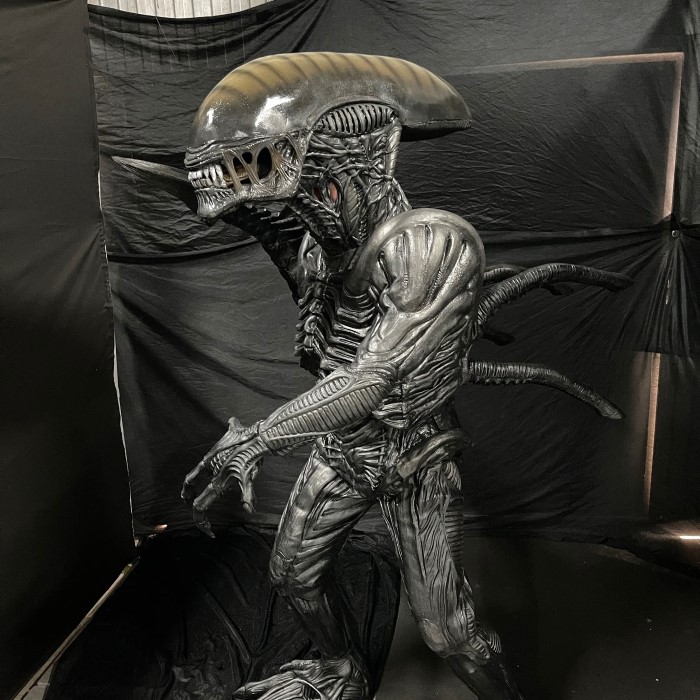
Creating an impressive Xenomorph cosplay is a rewarding endeavor that enables you to express your passion for the “Alien” franchise. By understanding the character’s design, gathering the right tools, and employing effective construction techniques, you can successfully create an accurate and visually striking Xenomorph costume.
With careful attention to detail, you can embody one of cinema’s most iconic creatures. Whether you’re attending a convention, participating in cosplay events, or showcasing your creation online, remember that the essence of cosplay lies in creativity and expression. Embrace the challenge, enjoy the process, and prepare to reveal your extraordinary impressive Xenomorph cosplay to the world!